
Problems to describe
- multiple fixtures slowing or backing up together
- a backup returning after previous clearing
- a cleanout, low fixture, or sewer odor becoming part of the pattern
Several fixtures changing together can move the request from a single drain to a main-line question. List fixtures in the order the pattern appeared.
Start here when toilets, sinks, tubs, or floor drains are affected together or a backup returns across the property.
List every affected fixture, the timeline, any accessible cleanout, and whether the issue is inside or at an exterior connection.
Call with the detailsNumber of affected fixtures, recurrence, cleanout location, interior-versus-exterior connection, wastewater exposure, and any prior inspection or clearing information can change the next step.
A main-line question is about the relationship between fixtures. The order in which toilets, sinks, tubs, and floor drains changed can be more useful than the first fixture that became noticeable.
When several fixtures change together, the important question is no longer only which drain is slow. The order and combination of symptoms can point toward a shared line conversation.
Fixture count, symptom order, cleanout access, and recurrence matter more than labeling the line too early.
List every affected fixture in the order it changed. That timeline is more useful than choosing rooter or jetting language too early.
List fixtures in order and note whether each is slow, backing up, gurgling, or normal. Include any prior clearing and whether the pattern returned across the property.
These paths help organize a single-drain starting point, recurring restrictions, or method questions after the shared pattern is understood.
Main sewer line cleaning in Bellevue becomes more relevant when multiple drains are backing up, the pattern resembles sewer line blockage symptoms, or a main sewer restriction keeps returning.
People may describe the need as main sewer line cleaning Bellevue WA, sewer line cleaning Bellevue, and main drain cleaning Bellevue. More specific questions include multiple drains backing up Bellevue, sewer line blockage symptoms Bellevue, and recurring main sewer restriction Bellevue. The fixture, timing, recurrence, access, and property context should guide the request.
Call when toilets, sinks, tubs, or floor drains change together, when a backup returns across the property, or when an exterior cleanout becomes part of the pattern. Multiple affected fixtures are important main sewer line cleaning and sewer backup signals.
A professional can organize the fixture timeline and access points before discussing sewer line cleaning, camera inspection, or other methods. This helps separate a shared main line restriction from an isolated drain.
Limit water use across the property, keep clear of wastewater, and avoid opening a cleanout without knowing what may discharge. Do not rely on a single plunging attempt when several fixtures are affected; document the pattern for sewer line service.
Know the cleanout location, avoid flushing non-flushables, and note recurring backups by fixture and date. Keep prior main sewer line cleaning or inspection records available when discussing ongoing maintenance.
These views match the kind of fixture, line, outdoor feature, or operating context that can change the first conversation for main sewer line cleaning.
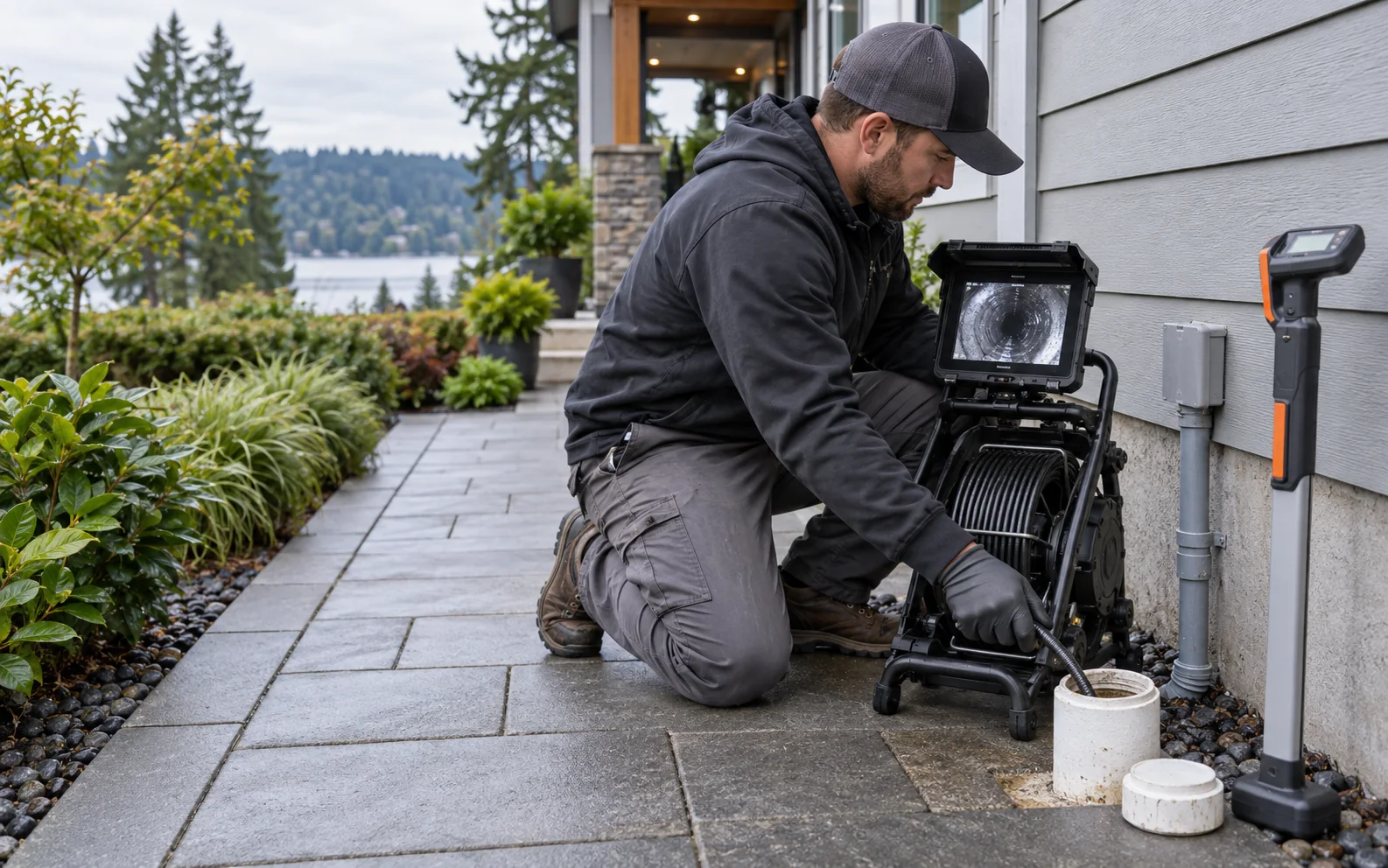
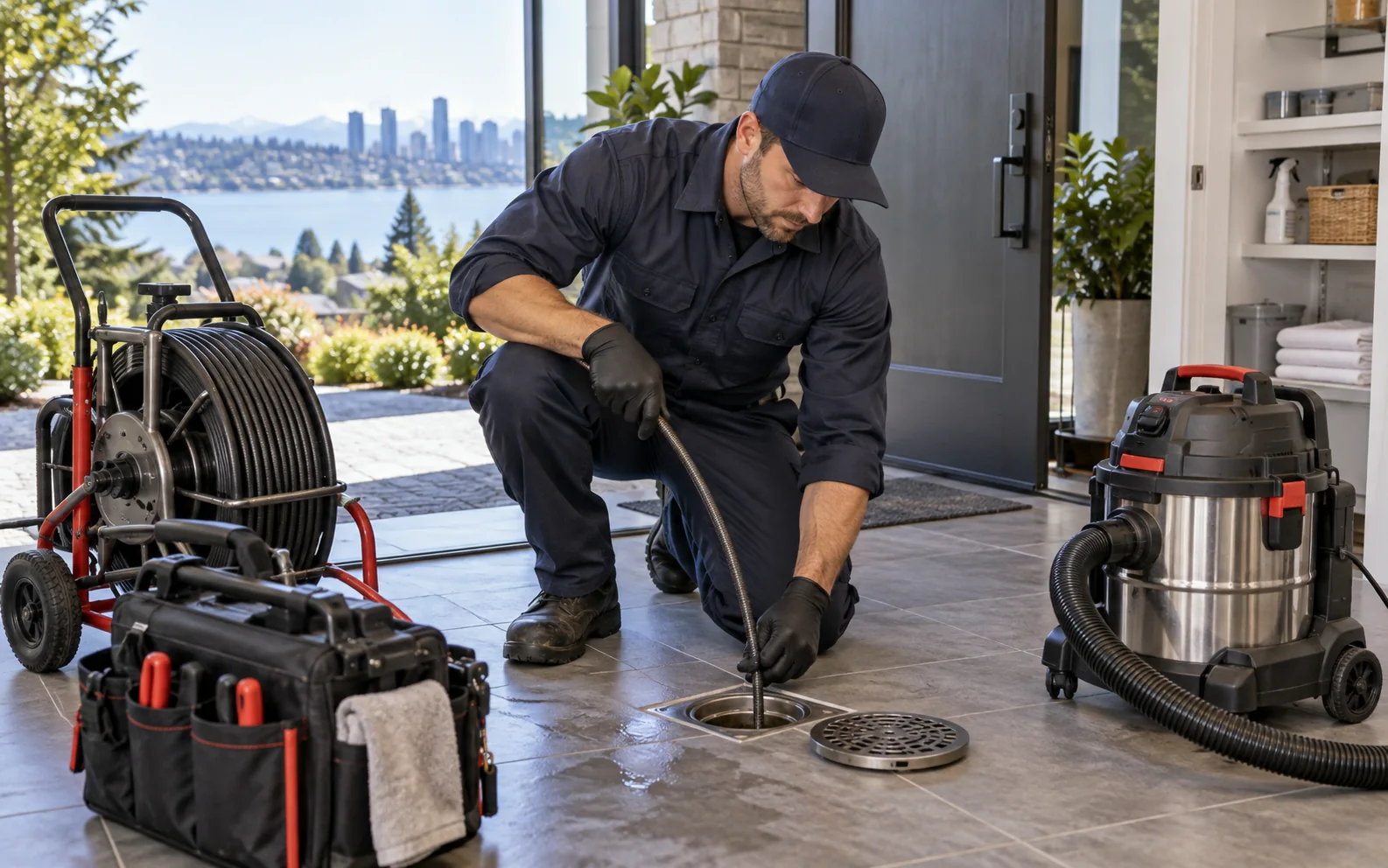
The map provides local contact context for Bellevue Rapid Drain. It does not determine boundaries, responsibility, response time, or serviceability.
Start here when several fixtures change together, backups return across the property, or a cleanout and line-level question becomes central.
List every affected fixture, the timeline, any accessible cleanout, and whether the issue is inside or at an exterior connection.
Number of affected fixtures, recurrence, cleanout access, wastewater exposure, interior-versus-exterior connection, and previous inspection information can change the scope.
Share the order of changes, every affected fixture, cleanout information, prior clearing, and the Bellevue address.
Contact Bellevue Rapid Drain